Permit requirements Knightsbridge skip hire and council rules
Posted on 06/07/2026
Permit requirements Knightsbridge skip hire and council rules: what you need to know before you book
If you are arranging a skip in Knightsbridge, the paperwork can feel like the annoying bit nobody wants to think about. But with permit requirements Knightsbridge skip hire and council rules, the details matter. A skip placed on a public road without the right permission can cause delays, extra costs, or awkward conversations with the council or your supplier. That is the last thing you want when you are trying to clear out a flat, manage builders' rubble, or keep a project moving in SW1.
This guide breaks down what usually needs permission, how skip permits work in practice, when council rules apply, and what to check before you confirm a booking. We will also look at alternatives if a skip is not the best fit, plus the common mistakes people make in narrow central London streets. In Knightsbridge, a little planning saves a lot of hassle. Truth be told, that is half the battle.
Why Permit requirements Knightsbridge skip hire and council rules Matters
Skip hire looks simple on the surface: choose a size, book a date, fill it, collect it. In practice, the location is what changes everything. Knightsbridge has busy roads, controlled parking, tight access, and a lot of properties where frontage space is limited. If a skip sits on private land, the process is often straightforward. If it needs to go on the public highway, council rules can come into play immediately.
That matters for three reasons. First, a permit is usually required if the skip will be on a road, pavement, verge, or other public area. Second, permits are time-limited and can affect the delivery date. Third, the way the skip is positioned, marked, and protected has to reflect local safety expectations. A skip that blocks sightlines or narrows pedestrian access is not just inconvenient; it can be a problem for neighbours, drivers, and anyone walking past with shopping bags, a buggy, or crutches.
In Knightsbridge, this is not an abstract rulebook issue. You can feel it on the street. One missed detail and the whole booking can slip. If your project is near a busy stretch, or you are dealing with a property where parking is already scarce, you will want to understand the rules early rather than after the lorry arrives.
For people comparing waste options, it can also help to look at broader clearance services too, such as rubbish clearance in Knightsbridge or even waste removal in Knightsbridge when a skip is not practical.
How Permit requirements Knightsbridge skip hire and council rules Works
The basic principle is simple: if the skip stays entirely on private land, such as a driveway or forecourt, you may not need a permit. If it goes onto public land, a permit is commonly required. The exact process can vary depending on the council's current process and the street conditions, but the decision point is usually the same: public highway, permit needed; private land, usually no permit.
Here is what typically happens in real life. You book the skip size you need. The provider checks where it will sit. If the only workable spot is on the road, they either arrange the permit on your behalf or tell you what needs to happen before delivery. That step is important because permits are not a nice-to-have. They can affect whether the skip can legally be placed there at all.
Council rules usually cover more than just the permission itself. They may also affect:
- the length of time the skip can remain on the road
- the days or hours when delivery and collection can happen
- lighting or reflective markings on the skip
- traffic management around the skip
- how access for pedestrians, vehicles, and emergency services is protected
In a place like Knightsbridge, the access question is often the tricky bit. A street can look wide enough in daylight, then suddenly become a squeeze when a delivery van, a taxi, and a bin lorry all meet. Not ideal. That is why experienced providers tend to ask very specific questions about the property before confirming anything.
If the job is construction-related, it is sensible to review both skip logistics and building waste handling. The page on builders waste clearance in Knightsbridge may be useful if your project produces mixed rubble, timber, packaging, and heavy materials.
Key Benefits and Practical Advantages
Getting the permit side right is not just about avoiding a fine or inconvenience. It can make the whole job smoother. A compliant skip booking tends to run more predictably, and that has a knock-on effect for the rest of your project.
Here are the main practical advantages:
- Fewer delays: the skip arrives when expected, rather than being turned away at the last minute.
- Less stress: you do not have to guess whether the placement is allowed.
- Better safety: proper positioning reduces trip hazards and keeps access clearer.
- Cleaner site management: you can keep waste contained instead of stacking bags around the property.
- More efficient projects: builders, movers, landlords, and homeowners can work to a clearer plan.
Another advantage people often overlook is neighbour relations. In Knightsbridge, where buildings are close together and traffic can be constant, a skip that is sensibly placed and correctly authorised is much less likely to become a source of complaints. That matters more than people think. Nobody enjoys starting a project on the wrong foot with the people next door.
There is also a financial angle. A properly planned skip hire tends to reduce the risk of failed delivery charges, last-minute changes, or rushed replacements. If you are trying to compare pricing carefully, it is worth checking pricing and quotes alongside the permit conversation so you understand the full picture, not just the headline rate.
Who This Is For and When It Makes Sense
This topic matters to a wide range of people, not just builders. In fact, the most common situations are often domestic ones.
You will probably need to think about permit rules if you are:
- clearing a flat, house, or rental property
- renovating a kitchen, bathroom, or whole floor
- managing builders' waste from a refurbishment
- dealing with bulky items after a move
- removing garden waste after landscaping work
- coordinating office clearance or commercial fit-out waste
It also makes sense when access is awkward. Knightsbridge has a lot of properties where front gardens are small, parking is controlled, and the road outside is not forgiving. If you are in one of those streets, the "just put it outside" approach rarely ends well.
For smaller jobs, a skip may be overkill anyway. A one-off collection can be easier, especially if you do not want to manage a permit or keep a container outside for days. In that case, rubbish collection in Knightsbridge can be a cleaner fit. For heavier household items, furniture disposal in Knightsbridge is often a simpler route.
One small but important point: if you are on an estate, leasehold, or managed property, you may have additional site rules before council rules even enter the picture. That is the sort of detail people forget at 7pm after a long day of sorting boxes. Easy mistake, though.
Step-by-Step Guidance
If you want to handle skip hire properly in Knightsbridge, a calm step-by-step approach works best. Rushing is what creates headaches.
- Check where the skip will sit. Private land or public highway? This is the first and most important decision.
- Measure access properly. Look at width, turning space, overhead obstructions, parked cars, lamp posts, and anything else that may affect delivery.
- Confirm the waste type. Builders' rubble, mixed household waste, green waste, and bulky items can all affect the right service and container choice.
- Ask who arranges the permit. Some providers handle it for you. Others expect you to understand the process first.
- Book with realistic timing. Permits can take time, and a same-day assumption is risky unless you have already checked availability.
- Prepare the site. Make sure the drop-off area is clear and that access will not be blocked by cars or bins.
- Follow loading guidance. Do not overfill the skip, and keep prohibited materials out.
- Schedule collection on time. If the permit is time-limited, leave nothing to chance.
A practical example: if you are renovating a mews property near a busy road, it may be better to book the permit well before the builders arrive. That way the skip becomes one less variable, and trust me, construction already has enough variables.
If you are comparing services more broadly, it can help to browse the services overview to see whether skip hire, clearance, or direct collection gives you the cleanest result.
Expert Tips for Better Results
There are a few things experienced operators tend to do that make a big difference. None of them are dramatic. They are just sensible.
First, plan for the narrowest part of the job. In Knightsbridge, access is often tighter than you think. A skip may fit on paper, but the truck still has to reach the spot safely. Reversing, turning, and roadside space all matter.
Second, think about the weather and surface conditions. A wet road, soft verge, or uneven paving can make positioning awkward. If you are dealing with a driveway or forecourt, a bit of preparation helps avoid scrapes and arguments later.
Third, do not assume a bigger skip is always cheaper. Sometimes a carefully chosen size, combined with a second collection, is more practical than paying for a container that sits half-empty while taking up space outside your home.
Fourth, keep an eye on waste segregation. If you know there will be garden waste, timber, or metal, separating those streams early can make things easier. For garden jobs specifically, garden waste removal in Knightsbridge may be a better option than a general skip.
Fifth, check insurance and safe working practices. A provider should be able to explain how they manage site safety and liability in normal terms, without making it sound like a mystery novel. The page on insurance and safety is a useful reference point.
Expert summary: In Knightsbridge, skip hire is usually easiest when you treat access, placement, and permit timing as part of one job, not three separate ones.

Common Mistakes to Avoid
Most skip problems are avoidable. They happen because people are trying to move quickly and skip one of the boring checks. Ironically, that is where the delay usually starts.
- Booking before checking the location: If you do not know whether the skip sits on private land or a road, you cannot plan properly.
- Leaving permit questions until delivery day: By then, it may already be too late.
- Assuming the council will accept any placement: A road that looks quiet can still have restrictions.
- Overfilling the skip: This can cause collection issues and safety concerns.
- Mixing restricted materials with general waste: That may create extra handling or refusal problems.
- Ignoring local access pressure: Knightsbridge streets can feel calm at one time and busy the next. Don't gamble on "it should be fine."
Another common one is failing to consider whether a skip is actually the best fit. For quick clearances or tighter access, a man-and-van style collection may be far more efficient. If you are dealing with a property clearance, for example, house clearance in Knightsbridge or office clearance in Knightsbridge might fit the job better than a permit-backed skip.
Tools, Resources and Recommendations
You do not need fancy tools to manage skip hire well, but a few practical aids help a lot.
- Site photos: Take clear pictures of the frontage, road, and access route before booking.
- Basic measurements: Width, turning space, and any overhead obstacles should be noted.
- Waste list: Write down what you are throwing away so you can choose the right service.
- Project timeline: Link the skip date to the actual work schedule, not a hopeful estimate.
- Budget check: Compare skip hire, permit needs, and any alternative collection services before deciding.
If you are still deciding between skip hire and other waste solutions, the following pages can help you think it through: junk removal in Knightsbridge, garage clearance in Knightsbridge, and loft clearance in Knightsbridge. They are useful when the job is more about removing mixed items than staging a long-term skip.
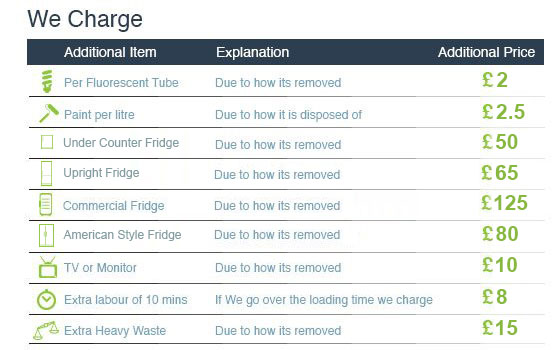
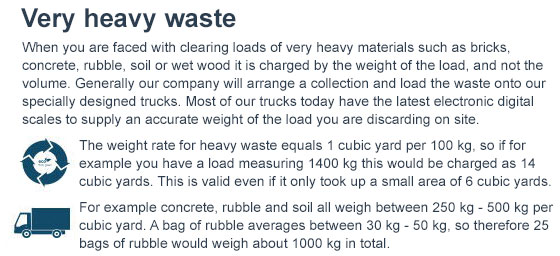
For readers who like to compare a few routes before making a call, the article on hidden fees in Knightsbridge rubbish removal is a smart companion read. It helps you spot the small extras that can creep in, and those always seem to appear at the worst moment.
Law, Compliance, Standards, or Best Practice
This is the section where the cautious wording matters. Council rules and permit processes can change, and the exact requirements may depend on the street, the location of the skip, and how local authorities apply their current policies. So rather than pretending there is one universal rule for every Knightsbridge address, the safest approach is to treat the permit as a formal placement issue, not a casual booking detail.
In general UK practice, the main compliance points are:
- do not place a skip on public land without the appropriate permission
- make sure the placement does not create an unsafe obstruction
- use a reputable provider that understands permit handling and site safety
- load the skip responsibly and avoid prohibited waste types
- keep collection within the agreed period, especially where permission is time-bound
Best practice also means thinking about neighbours and pedestrians. That sounds obvious, but in dense parts of London it is easy to underestimate the impact of a container outside a property. A skip can be part of a tidy, well-run job, or it can become the thing everyone has to walk around for a week. The difference is usually planning.
If you want to read more about the wider approach to responsible disposal, the page on recycling and sustainability explains the kind of waste handling standards that many readers now expect from a professional service. Also, if your project touches landlord, tenant, or building rules, take a careful look at the terms and conditions so you know where responsibility sits.
Options, Methods, or Comparison Table
Here is a simple comparison to help you choose between the most common waste-removal approaches in Knightsbridge.
| Option | Best for | Permit likely needed? | Main advantage | Main drawback |
|---|---|---|---|---|
| Skip on private land | Domestic clearances, refurb projects, bulk waste | Usually no | Convenient and holds a lot | Needs space on your property |
| Skip on public road | Homes with no driveway or access space | Usually yes | Works where private space is limited | Permit timing and council conditions apply |
| Direct rubbish collection | Smaller loads, fast turnaround, awkward access | No | Quick and flexible | Less suited to large volumes |
| Full property clearance | House moves, probate, office turnover, end-of-tenancy | No | Minimal effort for the customer | Not always the cheapest for very large ongoing projects |
In many Knightsbridge jobs, the "best" option is the one that avoids street complications. That may be a skip, but it might also be a direct clearance service. For example, waste removal in Knightsbridge can be more efficient if you need the waste gone in one visit and do not want to manage a container outside.
Case Study or Real-World Example
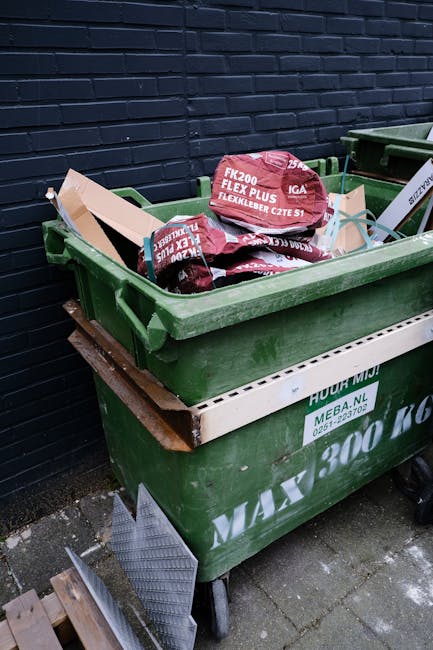
Imagine a flat refurbishment off a busy Knightsbridge road. The owners need to remove old bathroom fittings, packaging, broken tiles, and mixed builders' waste. At first, they assume a skip can simply go outside for a few days. Then they look at the actual frontage and realise there is no safe private space, plus parking pressure is heavy.
Rather than pushing ahead and hoping for the best, they check the access route, speak to the provider, and confirm whether a permit is needed. Once the street position is clear, the provider can advise on timing and placement. In a case like this, the owner may even decide that a direct builders waste clearance in Knightsbridge service is more practical than leaving a skip on the road.
The important part is not the exact solution. It is the sequence: assess the site, understand the permit requirement, compare options, then book. That order saves time and helps avoid the classic problem where the skip is ordered before the logistics are sorted. That one happens a lot, honestly.
Practical Checklist
Use this before you confirm a skip booking in Knightsbridge.
- Have you confirmed whether the skip will be on private land or a public road?
- Do you know if a permit is needed?
- Has the provider explained who applies for the permit?
- Have you checked access width and turning space?
- Do you know the waste type you are disposing of?
- Have you compared skip hire with direct collection?
- Are there estate, landlord, or building rules to check as well?
- Have you allowed enough time for delivery and collection?
- Do you understand the loading limits and prohibited materials?
- Have you reviewed the quote for extras or conditions?
If any of those answers is fuzzy, pause and clarify before the booking goes ahead. A few extra minutes now can save a real headache later.
Get a free quote today and see how much you can save.
Conclusion
Permit requirements Knightsbridge skip hire and council rules are really about one thing: getting the job done legally, safely, and without avoidable friction. In a busy part of London where space is tight and timing matters, those details are not paperwork for paperwork's sake. They shape the whole experience.
If you remember only three things, make them these: check the skip location early, confirm whether the road requires permission, and choose the removal method that fits the space you actually have. That alone will prevent a lot of trouble.
And if your project feels a bit overwhelming, that is normal. Most people are not planning waste logistics for fun. They just want the room cleared, the builder moving, or the moving day to stop being chaotic. Fair enough too.
For a smoother next step, you can explore more about the company on the about us page or use the contact page when you are ready to talk through the details.


 Tipper Van - Rubbish Removal and Junk Collection Prices in Knightsbridge SW1
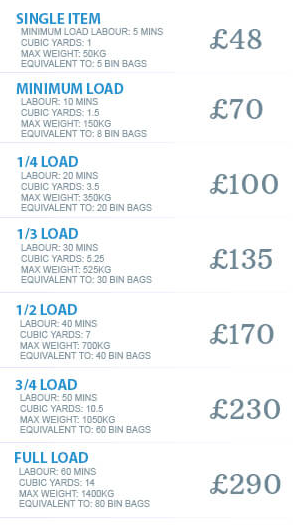
 Luton Van - Rubbish Removal and Junk Collection Prices in Knightsbridge SW1