Rubbish Removal Knightsbridge for waste clearance in Knightsbridge
Rubbish Removal Knightsbridge provides practical waste removal in Knightsbridge for homes, flats, offices and managed properties that need unwanted items taken away with minimal disruption. The service can support general rubbish clearance, heavier household items, light commercial clearances and removal of mixed waste where a simple skip is not the most convenient option. It is a straightforward way to deal with accumulated items, end-of-tenancy leftovers, post-renovation waste and everyday clutter that needs to be cleared from inside or outside a property.
The most useful starting point is to identify the type of waste, the access available and any items that need separating for reuse, recycling or specialist handling. That helps keep the work efficient and ensures the right vehicle, manpower and disposal route are planned. If you are comparing options, it is sensible to review the pricing information alongside the main service pages so you can understand how the work is usually arranged before you ask for a quotation.
For a clear next step, think about what must go, what should stay and whether any bulky pieces need dismantling before collection. You can also use the service overview to compare the main clearance options and choose the most suitable route for your property. Tell us what needs removing and where it is located, then request a quotation when you are ready.
What our rubbish removal service covers
The core service is designed around removing waste and unwanted items from the property where they are currently stored, rather than asking you to move everything to one point in advance. That can be helpful when items are in a cellar, loft, rear yard, garage or upper-floor room. The work can include bagged waste, loose items, worn furniture, broken appliances and mixed contents that need sorting as part of the clearance. Where appropriate, material can be separated so recyclable items are not handled in the same way as general refuse.
We also support customers who need a tidy and methodical approach rather than a basic collection. That may involve removing items from several rooms, clearing a single problem area or dealing with bulky waste that is awkward to handle without the right lifting and loading process. If you are planning a more focused job, the rubbish clearance page gives a useful route into the main offer, while the junk removal page covers mixed unwanted items that do not fit neatly into one category.
Before you request a quotation, it helps to have a rough view of access, volume and whether there are any items that need careful handling. A short list of the contents is often enough to start the process, and photographs can help when the waste includes several different materials. Clear details lead to clearer pricing, especially where lifting, loading or sorting time may vary from one job to another. If you prefer, send the information in one go and let the service team advise on the most suitable option.
Household clearances and furniture disposal
Households often need a flexible service that deals with more than one kind of unwanted item at once. That might mean old furniture, box contents, broken household goods, general clutter or waste left behind after a move. The house clearance service is suited to fuller domestic clearances, while the furniture disposal page is useful when the main issue is bulky pieces that need removing carefully from inside the property.
Domestic waste jobs can also involve awkward stairways, narrow hallways and limited storage areas, so the method matters as much as the load itself. Items may need separating before lifting, especially where soft furnishings, timber furniture and bagged waste are mixed together. The aim is to clear the space safely and leave the remaining area ready for cleaning, decoration, sale preparation or handover. Some jobs are only a single room; others involve a complete property and outbuildings.
Useful decisions to make in advance:
- which rooms, cupboards or storage areas need attention
- whether large items must be dismantled before removal
- if any objects should be kept aside for reuse or donation
- what access is available for carrying items out
Waste handling for clearances in busy or mixed-use properties
Different properties generate different waste streams, and a practical clearance service needs to deal with that variety without creating extra disruption. Offices, flats above commercial premises, shared properties and storage-heavy spaces can all produce mixed waste that includes paperwork, broken equipment, packaging and general refuse. The office clearance page outlines a more focused service for desks, office furniture and workplace contents, while the waste removal page covers broader disposal needs when the load is not limited to one single item type.
For many customers, the main benefit is not simply taking things away but managing the sequence of removal sensibly. That can include clearing items from work areas first, then moving on to storage spaces, communal areas or back rooms. Where waste contains a mix of recyclable material and general rubbish, the sorting process matters because it influences how the load is handled afterwards. This is one reason a measured quotation is better than a rough guess based on photos alone, although photos can still help identify access issues and the likely volume.
When you are ready to request a quotation, it is usually enough to describe the type of property, the items to be removed and any constraints such as lift access, parking limitations or a need to work around other occupants. If the collection is time-sensitive, mention that plainly rather than building assumptions into the request. The service can then be matched to the job more accurately.
Builders waste and renovation debris
Building work tends to create waste that is heavier, dustier and more uneven than everyday household rubbish. Offcuts, broken materials, packaging, bags of rubble and old fixtures often build up quickly, especially during strip-out or refurbishment stages. The builders waste clearance page and the related SW1 builders waste clearance page are useful where the main requirement is the removal of renovation by-products from a residential or commercial project.
This kind of work usually benefits from a clear description of the waste mix because some loads are straightforward and others need a more careful approach. Plasterboard, timber, packaging and general debris may need to be separated, and heavier materials can affect loading time as well as disposal planning. The more accurate the description, the easier it is to align the service with the site conditions. Where access is tight or the waste is spread across several floors, the collection method needs to reflect that from the outset.
For renovation waste, it helps to note:
- the stage of the project and whether the waste is ongoing or final
- which materials are present, including any heavy or dusty items
- how the waste is stored and whether it is spread through the building
- any access restrictions that might affect loading
Garden waste, garages and other storage areas
Not all rubbish removal jobs are about full property clearances. Sometimes the priority is a single outside space, such as a garden, shed, garage or loft that has become hard to use. The garden waste removal page is relevant where the material is mainly green waste, soil, cuttings or outdoor debris, while the garage clearance page and the loft clearance page deal with more enclosed spaces that often contain a wider mix of stored items.
These areas can be deceptively time-consuming because they often contain a mixture of loose contents, awkwardly stacked items and things that were set aside temporarily but never dealt with. A good clearance plan takes into account what can be carried safely, what needs bundling or bagging and whether heavy items are blocking access to the rest of the space. Clearing these areas properly can make the property easier to navigate and easier to keep organised afterwards, especially where storage has built up over time.
The most useful advice before a quotation is to say whether the area is fully accessible, partially blocked or arranged in layers. That changes the amount of handling required and helps shape the work accurately. If you are unsure which service page fits best, start with the area that contains the main waste and describe the rest when you enquire.
About Knightsbridge
Knightsbridge is an affluent district in central London that sits across the boundaries of the City of Westminster and the Royal Borough of Kensington and Chelsea. Its name is usually associated with the area around the busy road junction and tube station, but the wider district stretches west towards Brompton and east towards Hyde Park Corner. The locality developed from what was once a rural crossing point over the River Westbourne, later becoming one of London’s best-known residential and shopping districts. Today it combines luxury retail, embassy buildings, mansion blocks and long-established streets laid out in a pattern that reflects successive phases of urban development. The area’s built environment includes Georgian terraces, grand late-Victorian and Edwardian apartment buildings, and a number of high-profile modern developments that sit beside older townhouses and institutional premises. Knightsbridge is also closely connected with some of London’s major cultural and green spaces, including Hyde Park and the museums of South Kensington just to the south. Within the district itself, Brompton Road and Knightsbridge remain the principal thoroughfares, while places such as Sloane Street and the surrounding crescents reinforce its reputation for prestige retail and residential architecture. The district has long attracted international visitors as well as residents, but it also retains a working urban character through transport links, service access and a dense mix of property types. That combination of heritage, commerce and city living gives Knightsbridge a distinct identity within central London, even though it is often grouped with neighbouring parts of Kensington, Chelsea and Belgravia.
Clearance options for different kinds of rubbish
Some customers need a very specific service rather than a broad clearance, so it helps to separate the likely options before requesting a quotation. A focused page can make it easier to match the job to the correct category, especially when the items are all of one type. The office clearance, house clearance and furniture disposal pages each cover a different practical need, and that distinction matters when the work has to be planned around access, weight and the nature of the contents.
There is also value in using the right service for waste that is neither pure household clutter nor a full site clearance. Mixed rubbish can include packaging, general refuse, broken furnishings and odd items collected over time, so the cleaner the description, the easier it is to estimate the work sensibly. The point is not to overcomplicate the request, but to make sure the chosen service matches the actual load rather than the closest-sounding name. If a single room, a store cupboard or a private office floor is the main focus, say so clearly and let the quote reflect that.
When comparing options, think about:
- whether the contents are mainly domestic, office-based or mixed
- how bulky the largest items are
- if sorting, dismantling or carrying down stairs will be needed
- what end result you need, such as a clear room, emptied storage or a tidy exterior area
Quotation factors and practical planning
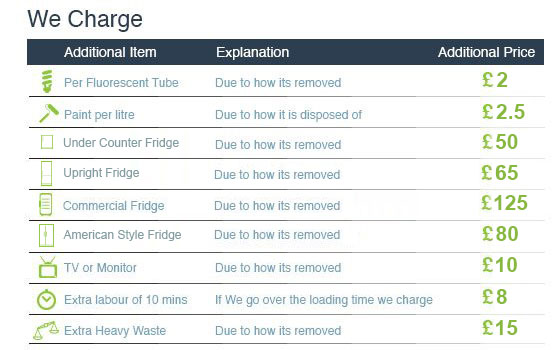
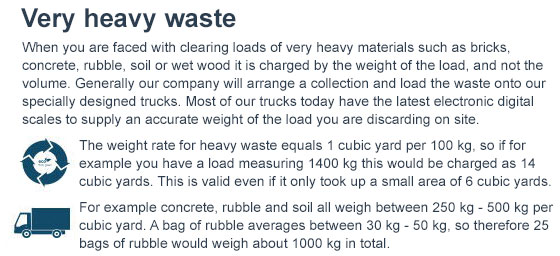
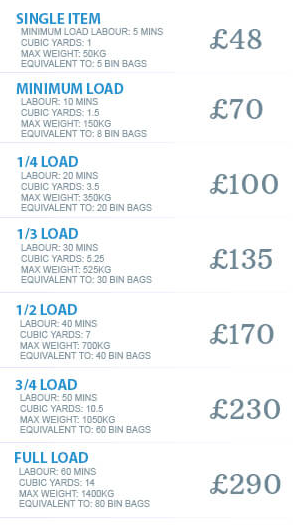
A sensible quotation usually depends on a few concrete factors rather than a single headline figure. Waste volume, item type, access and handling time all matter, and each can change the scope of the job. For example, a load of light bagged waste is not the same as a set of heavy items that must be taken down several flights of stairs. The pricing and quotes page is the best place to start when you want to understand how that process is usually framed before asking for a figure.
Preparation does not need to be complicated. A brief description of the waste, plus a few photographs if helpful, is often enough to start the conversation. If there are special instructions, such as restricted access, shared corridors, timed entry or a preference for handling certain items first, mention those at the same time. The more the job is described in practical terms, the less room there is for misunderstanding later. That is especially important where the clearance involves a mix of materials or where the property layout affects how the items can be removed.
You can also use the quotation stage to decide whether the work is better handled as a single visit or broken into separate parts. One clear request is usually easier to price than several small messages, so it is worth setting out the main points together. If you are happy with the scope, the final step is simple: request a quotation and confirm the details.
Recycling, payment and service information
Customers often want reassurance that a clearance service can deal with waste responsibly and handle the practical side of the booking clearly. The recycling and sustainability page explains the general approach to material handling, while the payment and security page covers the basic considerations around completing the transaction. These pages are useful if you want to understand the process behind the collection as well as the collection itself.
It can also be helpful to review the main service overview if you are deciding between several related options and want a clearer sense of how they differ. The site structure makes it easier to compare a general rubbish clearance with a more specific service such as furniture disposal, office clearance or builders waste removal. That comparison is useful because the right choice depends less on the page title and more on the actual contents, access and outcome you need. A well-matched service usually makes the job simpler from the first enquiry through to the final load.
When you are ready, send a concise description of the waste and the property. If you are not sure which option fits best, say what the items are and where they are stored, then ask for guidance. Request your quotation once you have the basic details together.

Waste Removal Knightsbridge SW1
Read more

Builders Waste Clearance Knightsbridge SW1
Read more

Builders Waste Clearance
Read more

Garden Waste Removal
Read more

House Clearance
Read more

Office Clearance
Read more

Rubbish Clearance
Read more

Waste Removal
Read more

Furniture Disposal
Read more

Garage Clearance
Read more

Loft Clearance
Read more

Junk Removal
Read more

Skip Hire
Read more

Rubbish Collection
Read more
Frequently Asked Questions



 Tipper Van - Rubbish Removal and Junk Collection Prices in Knightsbridge SW1
 Luton Van - Rubbish Removal and Junk Collection Prices in Knightsbridge SW1