Narrow street rubbish collection Knightsbridge common problems
Posted on 10/06/2026

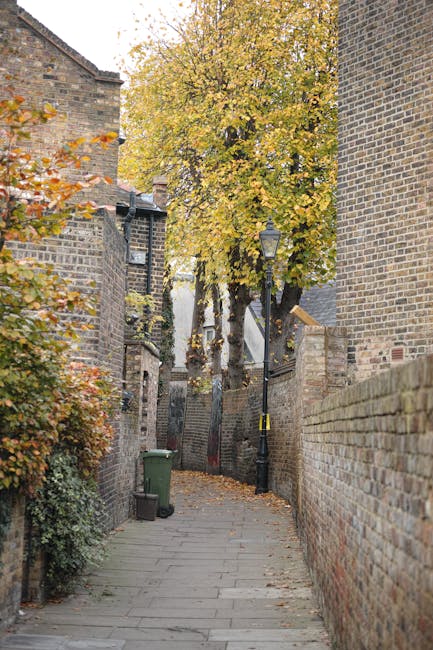
Knightsbridge looks polished from the pavement, but anyone trying to arrange waste pickup on a tight side street knows the reality can be a bit less glamorous. Narrow street rubbish collection in Knightsbridge comes with awkward vehicle access, limited loading space, neighbours who quite rightly expect quiet, and time windows that seem to vanish the moment a lorry appears. If you are dealing with a household clear-out, office waste, furniture disposal, or builder debris, the common problems are usually not about the rubbish itself. They are about access, timing, parking, safety, and making the whole thing work without causing a nuisance.
This guide breaks down the most common problems, how collections are typically handled in practice, where the hidden risks lie, and what actually helps on the day. If you want the practical version rather than the glossy version, you are in the right place.
Why Narrow street rubbish collection Knightsbridge common problems Matters
Narrow streets change the whole logic of rubbish collection. In an open suburban road, crews can park close to the property, load quickly, and move on. In Knightsbridge, especially around older mansion blocks, mews streets, gated properties, and busy residential lanes, the margins are much tighter. One badly parked van can block traffic. One overfilled load can mean a second trip. One missed booking window can leave waste sitting outside for longer than anyone wants.
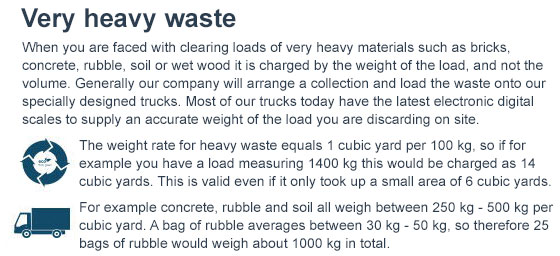
The problems matter for three reasons. First, they affect speed. When access is awkward, even simple rubbish removal can take longer than expected. Second, they affect cost. Delays, extra labour, or the need for smaller vehicles can change the job. Third, they affect relationships. In a dense neighbourhood, one messy collection can upset residents, concierge teams, building managers, and even nearby businesses.
There is also the matter of safety. Sharp items, broken furniture, plasterboard, garden cuttings, and mixed waste become harder to manage when a crew has to work in a confined space. What looks like a straightforward clear-out can turn into a careful logistical exercise. Truth be told, that is where experience makes a real difference.
If you are comparing services, it can help to look beyond the headline phrase "rubbish removal" and focus on how a provider handles access, timing and loading. A good place to start is the wider services overview and, if you need a simple end-to-end collection, the dedicated rubbish collection Knightsbridge service page.
How Narrow street rubbish collection Knightsbridge common problems Works
At its best, the process is very simple: you explain what needs removing, the team assesses access, a suitable vehicle is sent, items are loaded safely, and the waste is taken away for sorting, reuse, recycling or disposal. On narrow streets, though, each of those steps needs a bit more thought.
1. Access is checked before anything else
The crew needs to know whether a larger truck can reach the property, whether parking is possible, whether a smaller van is needed, and whether items need to be carried some distance. In Knightsbridge, a short loading distance can save a huge amount of time. A long carry from a basement flat or rear mews entrance is where jobs slow down.
2. The load is matched to the route
Not every collection is suited to every vehicle. A bulky sofa, for example, may be easy to remove from the property but awkward to transport if the street itself is tight. Similarly, builder waste from a renovation may be light in volume but heavy in weight, which changes how it should be handled. For construction jobs, builders waste clearance Knightsbridge SW1 and the related builders waste clearance Knightsbridge options are more appropriate than a general pickup.
3. The loading plan is adjusted on arrival
Even with good planning, reality can differ from the booking notes. A stairwell may be tighter than expected. A delivery van may already be parked outside. A concierge may have a specific access rule. Experienced crews adapt quickly, but this is exactly why narrow streets can be tricky. The best outcomes usually come from teams that are used to working in busy London neighbourhoods and can keep calm when the plan shifts slightly.
4. Waste is removed in categories where possible
Sorting matters. Mixed waste is harder to handle, and it may create extra lifting or extra processing later. If the items include furniture, office equipment, garden waste or renovation materials, separating them can make the job smoother. If you are clearing a flat or maisonette, the right service matters too: house clearance Knightsbridge, furniture disposal Knightsbridge, office clearance Knightsbridge, or garden waste removal Knightsbridge can each fit different access and waste patterns.
5. The site is left tidy
This is the bit that people remember. If the pavement is swept, the pathway cleared, and nothing is left hanging around the kerb, the whole collection feels professional. On a narrow street that is especially important because even a small amount of leftover debris can become a trip hazard or an annoyance to neighbours. Small detail, big difference.
Key Benefits and Practical Advantages
When the process is managed well, narrow street rubbish collection can be surprisingly efficient. It is not just about getting waste out of the way; it is about doing it with minimal disruption.
- Less disruption to neighbours because vehicles, loading and foot traffic are planned carefully.
- Faster turnaround when the right vehicle and crew size are chosen in advance.
- Lower risk of damage to walls, railings, stairwells and parked cars.
- Safer handling of awkward, heavy or sharp items in confined spaces.
- Cleaner finishes after a removal, which matters in premium residential streets.
- Better scheduling control for flats, managed buildings and short access windows.
There is also a quieter benefit: peace of mind. If you have ever watched a sofa wedge itself on a tight corner or heard a metal skip lid clatter at 7am, you will know why. You want the job done without drama. That is the real value.
If you are focused on timing, there is useful reading on quicker turnarounds in same-day rubbish removal in Knightsbridge and waste removal near Knightsbridge Station SW1X.
Who This Is For and When It Makes Sense
This kind of service is for anyone trying to clear waste where space is limited and timing matters. In practice, that includes a lot of people in Knightsbridge.
- Flat owners dealing with a one-off clear-out, bulky furniture, or end-of-tenancy waste.
- Landlords and managing agents who need fast turnaround between occupiers.
- Homeowners clearing lofts, garages or basements in older properties.
- Office managers removing desks, chairs, packaging and archive waste.
- Builders and tradespeople handling small to medium renovation waste.
- Garden owners managing seasonal cuttings, branches and old planters.
It makes sense when waste cannot just be left out for ordinary collection, when you have a deadline, or when you need the area to look tidy and respectable afterwards. That last point matters more in Knightsbridge than people sometimes admit. A street can feel elegant one moment and cluttered the next. One pile of waste can do it.
For local context, some readers also find it helpful to see how residents talk about the area in Knightsbridge living and local opinions or the broader neighbourhood perspective in discover the charms of Knightsbridge.
Step-by-Step Guidance
If you want to avoid the usual problems, a bit of preparation goes a long way. Here is the practical way to handle it.
- List the items clearly. Note whether the waste is general, bulky, recyclable, garden-related, or construction debris.
- Check access points. Measure doorways, stair turns, lifts, basement steps, and the distance from the property to where the vehicle can stop.
- Think about parking. Can a van stop nearby, even briefly? If not, how far will the crew need to carry items?
- Separate anything sensitive. Put aside documents, valuables, reusable items, and anything not meant for disposal. It sounds obvious, but people forget under pressure.
- Choose the right service type. A house clearance is not the same as office clearance, and builder debris is a different animal again.
- Confirm timing carefully. On narrow streets, a 30-minute window can be more realistic than a very broad all-day assumption, especially if access is shared.
- Prepare the route inside the property. Clear hallways, open internal doors, and protect corners if possible.
- Ask how waste will be handled. A responsible service should be able to explain sorting and disposal in plain language.
- Stay reachable on the day. If access changes, a quick phone call can save the booking.
- Do a final check before departure. Confirm that nothing intended to stay has been taken and that the area has been left tidy.
That last step is more important than people think. A quick sign-off avoids the awkward "oh, actually, that lamp wasn't meant to go" moment. We have all been there.
Expert Tips for Better Results
In narrow streets, small decisions have outsized effects. Here are the habits that make collections smoother.
Book with access in mind, not just waste volume
The biggest mistake is judging the job only by how much rubbish there is. In Knightsbridge, access can matter more than volume. A van that can reach the property safely is often more useful than a larger vehicle that cannot.
Keep the loading area as clear as possible
If items are scattered around several rooms, the crew spends more time walking and less time loading. Group items together before the team arrives. Even a small bit of organisation helps.
Use the quietest practical time slot
Early mornings, mid-morning or mid-afternoon can be better than the busiest traffic periods. In residential streets, a calmer window may also reduce complaints from neighbours. It is a simple thing, but it works.
Plan for stairs and tight turns
If the building has narrow staircases or awkward landings, tell the provider in advance. A wardrobe that looks manageable in a hallway can become a real puzzle on a tight staircase. You do not want that surprise halfway through.
Ask about recycling and reuse
Not everything needs to be treated as mixed rubbish. Reusable furniture, metal, wood, and green waste may be handled differently. If sustainability matters to you, a service that supports this properly is worth considering. You can read more on the company's approach to recycling and sustainability.
Expert summary: The smoother the access plan, the cheaper and less stressful the collection usually becomes. In narrow Knightsbridge streets, planning beats improvising every time.

Common Mistakes to Avoid
The common problems in narrow street rubbish collection tend to come from predictable mistakes. The good news is that most of them are avoidable.
- Ignoring access restrictions. A booking made without checking road width, parking, or building access can unravel quickly.
- Assuming all waste is the same. Mixed waste, furniture, garden debris and builder waste often need different handling.
- Leaving everything for the last minute. If the collection is linked to a move, renovation or end-of-tenancy deadline, late booking adds pressure.
- Forgetting building rules. Some properties require notice for collections, lift protection, or concierge coordination.
- Not separating fragile or valuable items. It happens. Someone puts a box aside, then it ends up in the wrong pile.
- Overloading the route. Narrow corridors, wet pavements and tight corners can all slow things down. If the crew has to keep stopping, the job gets longer and messier.
- Choosing skip hire without checking space. In some streets, a skip is simply awkward or impractical. Sometimes a direct collection is easier. Sometimes it is not. Compare carefully.
For some jobs, a skip can still work, but in restricted access areas it is worth weighing up the practicality first. If you are unsure, the local skip hire Knightsbridge page can help you compare the idea with a collection-based option.
Tools, Resources and Recommendations
You do not need a truckload of fancy equipment to make a rubbish collection go well. What you do need is the right set of basics.
- Measuring tape for doorways, stair widths and anything unusually tight.
- Phone photos of access points, staircases and the waste itself. These can be very helpful during booking.
- Protective gloves and closed shoes if you are moving small items yourself.
- Labels or tape to mark what is to stay and what is to go.
- Clear bags or boxes for loose waste, paperwork and recyclable materials.
- Concierge or building management contact details where relevant.
- A simple checklist for items being removed, especially in office or landlord jobs.
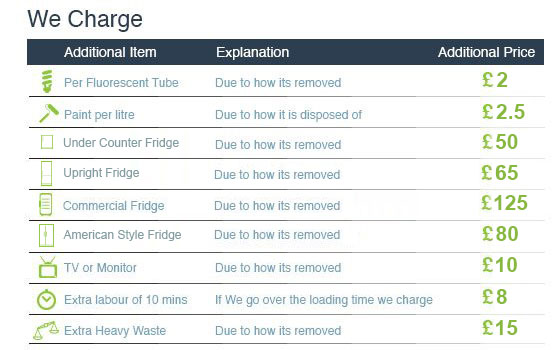
For service planning and transparency, it is sensible to review pricing and quotes before you book. If you need to understand safety expectations or insurance considerations, the page on insurance and safety is also useful. And if your collection is part of a larger move or property decision, the articles on purchasing homes in Knightsbridge and Knightsbridge property investment can give extra local context.
Law, Compliance, Standards, or Best Practice
This is an area where cautious wording matters. Waste handling in the UK is regulated, and responsible collection means making sure rubbish is carried, sorted and disposed of properly. You do not need to memorise every rule, but you should expect any provider to work in line with accepted legal and environmental duties, especially around controlled waste, safe loading, and responsible disposal.
In practical terms, good best practice usually includes:
- Using appropriate vehicles and safe lifting methods.
- Avoiding obstruction of roads, pavements and emergency access.
- Handling waste so that it does not spill or create hazards.
- Separating recyclable or reusable materials where possible.
- Respecting building rules, neighbours and local access constraints.
If you are comparing providers, ask direct questions. Who loads the waste? What happens if access is tighter than expected? How is bulky furniture protected while being moved? Is the service covered by suitable insurance? A professional answer is usually clear and calm, not evasive.
For a better sense of how a provider frames these responsibilities, look at the company information in about us and the practical detail in modern slavery statement, which signals broader supply-chain awareness rather than just box-ticking.
Options, Methods, or Comparison Table
Not every narrow street job should be handled in the same way. Here is a simple comparison of the main options people usually consider.
| Method | Best for | Strengths | Common limitations |
|---|---|---|---|
| Direct rubbish collection | Most household, office and mixed clear-outs | Flexible, quick, suited to tight streets | May need good scheduling and clear access notes |
| Skip hire | Longer projects with a fixed waste pile | Useful if space is available for placement | Can be awkward on narrow roads or where permits and space are limited |
| Specialist clearance | Bulky furniture, house clearances, offices, builders waste | Matched to the waste type, often more efficient | Needs correct service selection from the start |
In a place like Knightsbridge, the direct collection model is often the easiest fit because it avoids some of the space issues that skips can create. That said, the right answer depends on the building, the street, and the waste itself. There is no magic one-size-fits-all solution. Annoying, but true.
If you want a more general waste collection option for comparison, you may also want to review waste removal Knightsbridge and Waste Removal Knightsbridge SW1.
Case Study or Real-World Example
Picture a second-floor flat on a narrow Knightsbridge street with a shared entrance, one small lift, and a sofa, a dismantled bed frame, a few bags of general rubbish, and some old office boxes from a home office. Nothing extreme. But the building has a tight turn at the entrance, parking is limited, and the concierge only allows short loading stops.
In that sort of scenario, the job succeeds or fails on preparation. The team checks the access notes in advance, arrives with the right size vehicle, and plans the order of removal so that the biggest items go first. The sofa comes down before the hallway gets crowded. The boxes are grouped and loaded in one sequence. The crew avoids blocking the entrance for long, which matters because neighbours are coming and going, and nobody wants that sighing-from-the-doorway feeling. You know the one.
If the same job had been booked as a vague "rubbish collection" with no access details, the chances of a delay would be much higher. Maybe the van would be too large. Maybe the crew would need more carrying time than expected. Maybe the lift rules would slow everything down. The actual rubbish was never the issue. The access was.
That is the real lesson from narrow street collection work: the more precise the booking, the smoother the day.
Practical Checklist
Use this before the crew arrives. It saves hassle, honestly.
- Have you listed every item to be removed?
- Have you separated items that should stay?
- Have you checked stairs, lifts, door widths and turns?
- Have you confirmed where the vehicle can stop?
- Have you told the provider about any parking or concierge rules?
- Have you grouped items together to reduce walking time?
- Have you protected flooring, corners or walls if needed?
- Have you set aside documents, valuables and personal items?
- Have you chosen the correct service type for the waste?
- Have you left a contact number in case access changes?
- Have you asked about sorting, recycling and disposal?
- Have you checked the final quote and any conditions?
If you are arranging a more complex clearance, the related rubbish clearance Knightsbridge and junk removal Knightsbridge pages may also help you decide what level of support you need.
Conclusion
Narrow street rubbish collection in Knightsbridge is really a story about planning. The common problems are usually not dramatic, just annoying in all the usual London ways: tight access, limited stopping space, awkward corners, and timings that are less forgiving than people expect. But once those challenges are anticipated, the job becomes much easier to manage.
The smartest approach is simple. Be clear about access. Choose the right type of collection. Keep the route tidy. Ask sensible questions before booking. That alone removes most of the stress. And when it is done well, you barely notice the removal at all, which is exactly how it should be.
Get a free quote today and see how much you can save.
For a final next step, if your collection involves a tight street, a basement, a mews property, or a time-sensitive clear-out, speak to a team that understands the local logistics instead of hoping for the best. A calm, well-planned collection can make the whole place feel lighter, quieter, and a little easier to live in.


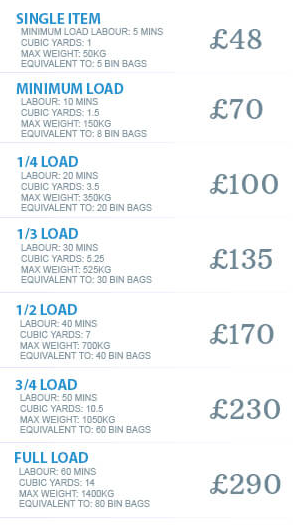
 Tipper Van - Rubbish Removal and Junk Collection Prices in Knightsbridge SW1
 Luton Van - Rubbish Removal and Junk Collection Prices in Knightsbridge SW1