Landlord rubbish disposal rules Knightsbridge council fines explained
Posted on 19/10/2026
If you rent out property in Knightsbridge, rubbish is never just "a bin issue". It can turn into a tenant complaint, a neighbour dispute, a licensing headache, or a council fine surprisingly fast. This guide on Landlord rubbish disposal rules Knightsbridge council fines explained breaks down what landlords are expected to do, where the usual mistakes happen, and how to stay on the safe side without making the whole thing more complicated than it needs to be.
To be fair, most problems start in the same place: waste is left out too early, mixed with the wrong items, dumped in a communal area, or not removed after a tenancy change. That's when the smell creeps in, the pavement gets messy, and the council gets involved. The good news? A few simple habits can prevent most of it.
Below, you'll find a practical, Knightsbridge-focused explanation of landlord responsibilities, council enforcement risks, and the sensible steps to take if a property needs a proper clearance. If you manage multiple flats, a short-let, or a high-value single let, this is the sort of detail that saves time and stress.
Why Landlord rubbish disposal rules Knightsbridge council fines explained Matters
In a place like Knightsbridge, waste management is not a background detail. Streets are busy, access can be tight, and properties often have shared entrances, concierge arrangements, or limited storage for bulky items. That makes rubbish disposal a landlord issue, not just a tenant habit.
When rubbish is handled badly, the knock-on effects are immediate. Bags get split by wildlife or passers-by, common areas look neglected, and neighbours notice. If it is a bin store, one careless dumping incident can affect several households. If it is an end-of-tenancy clearance, leftover furniture or broken items can sit there for days. Not ideal. Not at all.
Council enforcement usually becomes relevant when waste is placed incorrectly, left on public land, or repeatedly ignored. That can lead to formal warnings, removal charges, and fixed penalties depending on the circumstances. The exact process can vary, so it is better to think in terms of risk management than rule memorisation.
Landlords also have a reputational reason to care. A tidy property is easier to let, easier to inspect, and easier to hand over. If you're interested in the wider local context, the article on Knightsbridge property as a smart investment gives a useful sense of why presentation and upkeep matter so much here.
Expert summary: The safest approach is simple - treat waste as part of property management, not as an afterthought. Clear responsibilities, proper disposal, and quick removal of bulky items prevent most council problems before they start.
How Landlord rubbish disposal rules Knightsbridge council fines explained Works
At the practical level, the process is usually straightforward: the landlord, managing agent, or tenant creates waste; that waste must be stored, presented, and removed correctly; and if it is not, enforcement action can follow.
The tricky part is that responsibility is not always where people think it is. A tenant may have created the mess, but the landlord can still end up dealing with the consequences if the property layout, tenancy terms, or management arrangements were not clear enough. In communal buildings, responsibility can become even murkier. That is where simple paperwork and good communication matter more than people expect.
Common scenarios include:
- bulky furniture left after a tenancy ends
- black bags left beside bins instead of inside them
- builders' waste from minor works dumped in shared areas
- garden cuttings or soil left too long in the open
- fly-tipped items placed outside the property by unknown third parties
In Knightsbridge, access and timing can matter as much as the waste itself. A missed collection or a skipped bin day can quickly create a visible issue in a narrow street. If you have ever walked past a row of mews houses at 8am and seen bags sitting in the wrong place, you'll know how quickly the atmosphere changes. It just looks untidy, then it smells worse by lunchtime.
For landlords who need reliable removal support, a broader service page like services overview can help you see the kinds of clearance and collection options that fit different property types.
What council fines usually relate to
Fines or penalties are generally linked to improper disposal, obstruction, nuisance, or repeated non-compliance. It is safer to assume that leaving waste where it should not be, or failing to remove it promptly, can create enforcement risk even if you did not personally place every item there.
The most useful mindset is: if a stranger could reasonably see the waste, trip over it, smell it, or complain about it, it needs attention now rather than later. A bit blunt, but true.
Key Benefits and Practical Advantages
Good waste handling is not just about avoiding a fine. It improves day-to-day property management in ways that are easy to underestimate until things go wrong.
- Cleaner handovers: End-of-tenancy moves are smoother when bulky waste and leftover junk are cleared before inspection.
- Fewer complaints: Neighbours and other residents are less likely to report shared-area mess or smells.
- Better compliance: Clear routines reduce the chance of accidental dumping or missed disposal.
- Stronger presentation: A tidy entrance, bin area, or courtyard helps maintain the property's feel.
- Less admin: You spend less time chasing tenants, contractors, or managing agents about waste left behind.
There is also a financial angle. Council involvement is rarely cheaper than prevention, and reactive clearance tends to be more stressful than planned removal. If you need to compare practical disposal choices, the page on pricing and quotes is a sensible place to understand how planning ahead can affect overall cost and convenience.
Another hidden benefit is speed. When a flat is ready to re-let, rubbish removal is often one of the final bottlenecks. Clear it early, and everything else moves faster. Simple, really.
Who This Is For and When It Makes Sense
This guidance is especially useful if you are:
- a private landlord managing a single flat or house in Knightsbridge
- a letting agent handling multiple tenancies
- a freeholder or building manager responsible for communal areas
- a landlord preparing an end-of-tenancy clean and clearance
- a property owner dealing with a refurbishment, renovation, or landlord upgrade
- an investor who needs the property to stay presentable between lets
It makes particular sense when a property changes hands, after tenants move out, after builders leave a site, or when rubbish is being stored temporarily in a shared area. Those transition periods are where most mistakes creep in.
If you are dealing with a smaller garden or outdoor space, the issue can be deceptively simple and still become a nuisance. Our page on garden waste removal in Knightsbridge is useful if cuttings, soil, or old outdoor furniture are part of the problem.
And if the property is in one of those classic Knightsbridge blocks where the bin store feels like a daily puzzle, you're not alone. Honestly, many landlords discover the issue only after a complaint lands in their inbox.
Step-by-Step Guidance
Here is a practical way to stay on top of rubbish disposal without overcomplicating things.
- Check who is responsible in the tenancy terms. Your agreement should say who handles day-to-day rubbish, bulky items, and move-out clearance. If it does not, that is worth fixing.
- Inspect waste areas regularly. Don't just glance at the bin store once a month. A quick weekly check can reveal overflowing bags, contamination, or fly-tipped items early.
- Separate household waste from bulky items. Furniture, mattresses, appliances, and builders' waste usually need different handling from ordinary refuse.
- Arrange prompt clearance after a move-out. If a tenant has left items behind, act quickly. The longer it sits, the more likely it becomes a nuisance.
- Use a compliant disposal route. Choose a method that suits the type and volume of waste. Some situations call for a collection service, others for a specialist clearance.
- Document what was removed. Keep photos, dates, and brief notes. That helps if a tenant dispute or complaint comes up later.
- Brief tenants and contractors clearly. Short written instructions beat vague verbal reminders every time.
If you are dealing with a full property clearance rather than small daily waste, the page on house clearance in Knightsbridge is a useful reference point. For lighter jobs or one-off clutter, rubbish clearance in Knightsbridge may be the more suitable route.
A small real-world tip: when the bags start to stack up near the doorway, do not wait for the "better weather" day. There is always a better weather day, and somehow the waste still sits there. Get it gone.
Expert Tips for Better Results
From a landlord perspective, the best waste strategy is the one tenants can actually follow. Simplicity wins.
- Keep instructions visual and brief. A short notice in the kitchen or bin area is better than a long policy no one reads.
- Standardise your handover checklist. Use the same move-in and move-out questions every time.
- Reserve bulky waste clearance for managed events. Don't let old furniture slowly become "temporary storage". That phrase causes trouble.
- Plan for weekends and tight access windows. In Knightsbridge, access can be a bigger issue than volume.
- Coordinate with cleaners and decorators. Waste removal often works best when it is scheduled around the other trades, not after them.
If you want a deeper look at local operational issues, the article on narrow street rubbish collection in Knightsbridge is a practical read. Narrow access, timing, and parking restrictions can all shape how quickly waste disappears.
And yes, sometimes the fastest fix is the most boring one: a phone call, a clear time slot, and a van that turns up when expected. Not glamorous, but very effective.

Common Mistakes to Avoid
Most landlord rubbish issues come from a handful of repeat mistakes. Once you know them, they are easier to avoid.
- Assuming tenants will sort everything out. Some will. Many will not. Relying on assumptions is expensive.
- Leaving bulky items in shared areas. Even short delays can lead to complaints or enforcement attention.
- Mixing the wrong waste types. Builders' waste, electrical items, and general rubbish are not always treated the same way.
- Forgetting the end of tenancy clean-up. It is amazing how often one broken wardrobe becomes the only thing people remember about the handover.
- Ignoring the bin store. Landlords sometimes focus on interiors and miss the place everyone sees first.
- Using unclear contractor instructions. If a removal team does not know what is being taken, things can go sideways quickly.
One easy trap is underestimating furniture disposal. A sofa or bed frame looks harmless until it is blocking the hallway. For that sort of job, furniture disposal in Knightsbridge is a better fit than trying to squeeze items into ordinary bins or communal stores.
Another is leftover renovation waste. A bit of plasterboard, timber offcuts, or packaging left after works can become a visual mess in no time. If you are dealing with trade debris, builders waste clearance in Knightsbridge SW1 is worth considering instead of leaving contractors to "sort it later".
Tools, Resources and Recommendations
Good landlord waste management does not need fancy software, but a few practical tools help.
- Photo log: take before-and-after photos at move-in, move-out, and after clearance.
- Inspection checklist: include bin area condition, storage rooms, basement spaces, and outdoor corners.
- Tenancy clause template: make waste responsibilities explicit in your agreements and welcome packs.
- Calendar reminders: set recurring prompts for bin days, inspection dates, and seasonal clear-outs.
- Preferred clearance contact: keep one reliable disposal route ready for urgent jobs.
For landlords who want broader background on the company's approach to safe operations, the page on insurance and safety is useful. If sustainability matters to your tenants or building, recycling and sustainability is also worth a look.
And if you are simply trying to understand what service fits your situation, the main waste removal in Knightsbridge page can help orient you without overthinking it.
Law, Compliance, Standards, or Best Practice
This is the part people often want simplified. Fair enough. The key thing to understand is that waste obligations are not just about a tidy pavement. In the UK, landlords and property managers are generally expected to ensure waste is stored, presented, and removed responsibly. In practice, that means avoiding illegal dumping, preventing nuisance, and keeping shared spaces usable.
Some situations may also involve duties connected to tenancy agreements, property management standards, building rules, or local enforcement practice. If a building has a concierge or shared refuse system, house rules may be just as important as council expectations. In plain English: read the building rules as carefully as the tenancy paperwork.
Where builders' waste is concerned, the standards need even more care. Heavy materials, sharp items, and mixed construction debris should be handled separately where possible. For landlords overseeing improvements, the local guide on Kensington and Chelsea council rules for rubbish disposal in Knightsbridge provides helpful context on why local conditions matter.
Best practice is usually simple and defensible:
- keep waste off the public highway unless it is legally placed for collection
- remove rubbish quickly after vacating or renovation work
- use clear written instructions for tenants and contractors
- avoid leaving items in communal spaces
- book a proper collection for bulky or mixed waste
That may sound obvious, but the obvious things are exactly what get skipped when a property is under pressure.
Options, Methods, or Comparison Table
Landlords usually have a few disposal routes. The right one depends on the amount of waste, the type of waste, and how quickly it needs to go.
| Method | Best for | Pros | Trade-offs |
|---|---|---|---|
| Regular bin disposal | Small everyday household waste | Simple, familiar, low effort | Not suitable for bulky or excessive waste |
| Planned rubbish collection | Moderate volumes and routine clear-outs | Convenient, predictable, keeps things tidy | Needs timing and access coordination |
| House clearance | End-of-tenancy and full-property empties | Efficient for large jobs, reduces landlord workload | Requires more scheduling and preparation |
| Furniture disposal | Sofas, beds, wardrobes, broken items | Tailored for large items, avoids storage issues | Can't be treated like ordinary refuse |
| Builders waste clearance | Renovation or repair debris | Handles heavy, mixed, awkward materials | Needs proper planning and separation |
| Skip hire | Ongoing or larger projects | Useful on site, flexible for volume | May need permits and space, especially in tight streets |
In Knightsbridge, access and space often decide the best route more than the waste itself. If you want to compare a few practical solutions, the skip hire in Knightsbridge page is useful when a longer project is involved, while rubbish collection in Knightsbridge suits simpler one-off removals.
There is no single winner for every landlord. The right method is the one that keeps the property compliant, tidy, and manageable without creating new problems.
Case Study or Real-World Example
Imagine a landlord managing a smart one-bedroom flat near central Knightsbridge. The tenant moves out on Friday afternoon, leaving a sofa, a small table, a broken lamp, and several bags of mixed rubbish in the hallway. The cleaner arrives the next morning. By then, the hallway already looks cluttered, and the building manager has asked for the items to be removed before the following week.
If the landlord delays, the waste remains visible through the weekend. That is the point where complaints often begin. A neighbour notices the smell from a bag that was not fully tied. Someone else asks whether the items count as fly-tipping. Now the landlord is dealing with messages, a stressed cleaner, and a rebooking problem.
But if the landlord acts immediately, the situation is much simpler. The bulky items are removed, the bags are cleared, photos are taken after the job, and the property is ready for the next stage. What looked like a minor mess becomes a non-event. That is the real win.
In situations like this, a same-day or next-day approach often saves more than it costs in convenience. If timing is tight, the article on same-day rubbish removal in Knightsbridge is especially relevant. And when a location near transport links matters, the guide to fast waste removal near Knightsbridge Station SW1X offers helpful local perspective.
Practical Checklist
Use this quick checklist before rubbish becomes a problem.
- Check the tenancy terms for waste responsibilities
- Inspect bin stores and shared areas regularly
- Remove leftover items promptly after move-out
- Separate household waste, bulky items, and builders' waste
- Keep communal walkways and entrances clear
- Document clearance with photos and dates
- Brief tenants and contractors in writing
- Book a proper clearance service for large or awkward waste
- Review access, parking, and timing before collection day
- Follow the building's waste rules as well as local expectations
If you work through that list consistently, you are already ahead of many landlords. Not perfect, maybe. But solid, and that counts.
Conclusion
Landlord waste management in Knightsbridge is less about dramatic legal jargon and more about steady, sensible property care. Keep waste contained, deal with bulky items quickly, and make responsibilities clear from the start. That is how you avoid the messy middle where complaints, delays, and fines tend to appear.
The phrase Landlord rubbish disposal rules Knightsbridge council fines explained sounds formal, but the practical lesson is straightforward: act early, communicate clearly, and do not leave waste sitting around where it can become a nuisance. If you manage the basics well, the whole thing becomes far less stressful. And that's the bit most landlords want, honestly.
Get a free quote today and see how much you can save.
If you are ready to keep a property tidy, compliant, and easier to manage, explore the available clearance and removal options or speak with the team through the contact page when you need a more tailored approach.
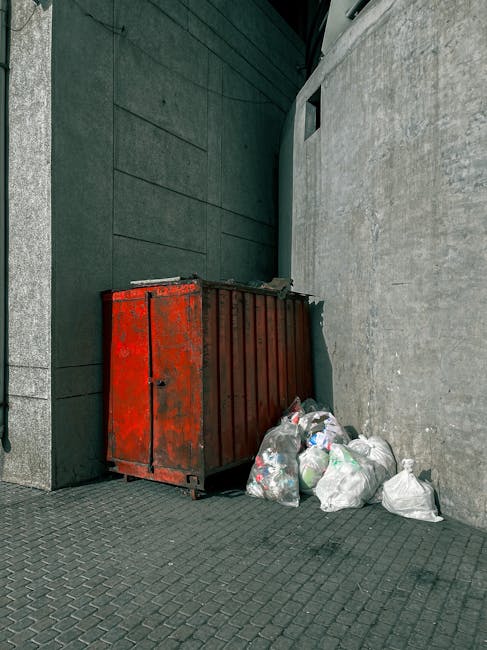


 Tipper Van - Rubbish Removal and Junk Collection Prices in Knightsbridge SW1
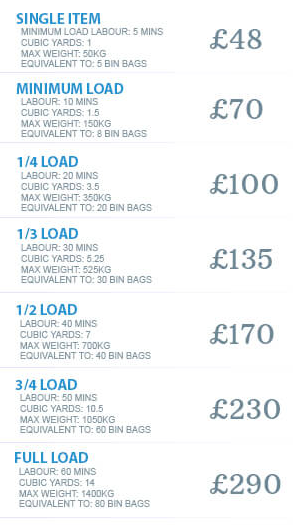
 Luton Van - Rubbish Removal and Junk Collection Prices in Knightsbridge SW1