Kensington and Chelsea council rules for rubbish disposal Knightsbridge
Posted on 26/06/2026
Kensington and Chelsea council rules for rubbish disposal Knightsbridge: a practical local guide
If you live, manage property, or run a business in Knightsbridge, rubbish disposal can feel deceptively simple until you actually have to do it. One bag turns into a small pile. A small pile turns into a nuisance. And suddenly you are trying to work out what Kensington and Chelsea council rules for rubbish disposal Knightsbridge mean in practice, not just in theory. This guide breaks it down in plain English, so you can stay compliant, keep the area tidy, and avoid the kind of mistakes that lead to fines, delays, or awkward conversations with neighbours.
You will find the basics here, but also the bits people often miss: what counts as household waste, how to think about bulky items, where recycling and timing matter, and when it makes more sense to arrange a professional collection. For property owners, residents, landlords, and office managers, that mix of convenience and compliance matters more than it first looks.
Why Kensington and Chelsea council rules for rubbish disposal Knightsbridge Matters
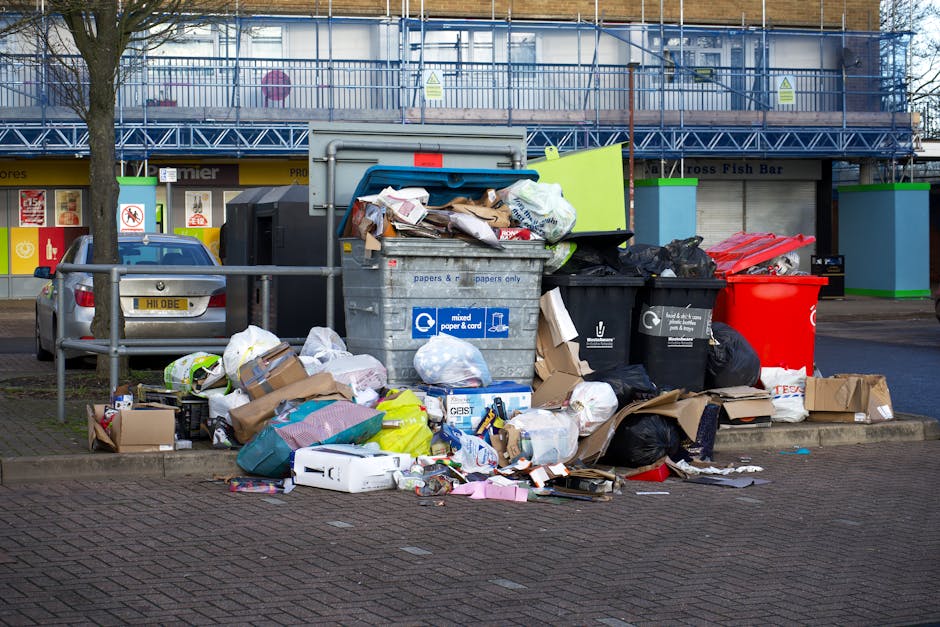
In Knightsbridge, waste management is not just about getting rid of clutter. It is about doing so in a dense, high-footfall part of London where pavements, loading space, and access can be tight. That means the rules are not there to make life awkward for the sake of it; they exist because improper disposal quickly creates practical problems. Bags left out too early can attract pests, block pavements, or upset residents who already deal with a fair bit of traffic and activity.
There is also a reputation point here. Knightsbridge is a place where presentation matters. A row of broken boxes, a mattress on the pavement, or a heap of mixed rubbish outside a townhouse does not stay unnoticed for long. Even if the waste is technically yours, the visual impact spills into the whole street. To be fair, nobody wants to be the person who leaves a bin area looking like a Monday morning after a very long weekend.
For landlords and managing agents, the consequences go further. Poor waste handling can affect tenant satisfaction, cause complaints, and create avoidable maintenance issues. For businesses, the risk is even more immediate: poor disposal habits can affect accessibility, hygiene, and the working environment. If you are comparing options for a larger clearance, it is worth looking at local waste removal in Knightsbridge or the broader rubbish clearance service approach rather than leaving everything to chance.
How Kensington and Chelsea council rules for rubbish disposal Knightsbridge Works
The practical side usually starts with one question: what type of waste are you dealing with? Household rubbish, garden cuttings, broken furniture, construction debris, office clear-out items, and electrical waste are often treated differently. That matters because not all rubbish can go in the same bag, left in the same place, at the same time.
In everyday terms, the council expects waste to be presented correctly, stored safely, and handled in a way that does not create nuisance or obstruction. That usually means using the right bins where available, separating recyclable materials where practical, and arranging proper disposal for bulky or specialist items. If you have ever stood in a hallway with an old wardrobe leaning at an impossible angle, you will know this is not always as neat as the rulebook suggests.
The other part of how it works is timing and access. In Knightsbridge, streets can be narrow, parking limited, and loading awkward. That is where organised collection becomes valuable. A planned pickup reduces the risk of waste sitting out too long, and it can make a big difference if your building has awkward stairs, a mews entrance, or limited lift access. For more on the operational side, the services overview is useful context, especially if you need to match the right disposal method to the type of waste.
There is also a distinction between council-style disposal and private collection. If you are moving a small amount of accepted household waste, standard disposal routines may be enough. If you are dealing with a full flat clearance, renovation debris, or a business move, a scheduled collection tends to be more efficient and far less stressful.
Key Benefits and Practical Advantages
Following the correct disposal approach is not just about avoiding hassle. It gives you a few real advantages that are easy to overlook until something goes wrong.
- Cleaner kerb appeal: Proper disposal keeps the street and entrance looking cared for.
- Fewer complaints: Neighbours, porters, and building managers are less likely to raise issues.
- Lower risk of missed collections: Waste sorted and presented correctly is easier to remove.
- Better recycling outcomes: Separating recyclable material helps reduce avoidable landfill waste.
- Less stress during clear-outs: A clear plan prevents the usual pile-up of bags, boxes, and leftovers.
For larger homes or older buildings, there is another benefit: you reduce the odds of waste being dragged through communal areas multiple times. That sounds minor, but anyone who has moved a sofa through a narrow staircase in the rain knows it is not minor at all.
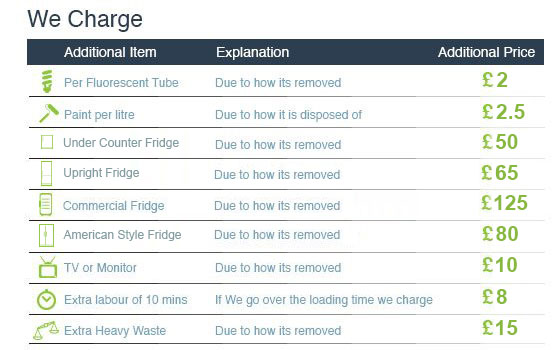
There is also a financial angle. Poor planning often leads to extra trips, extra labour, or last-minute arrangements. Choosing the right disposal route from the start can save time and money. If you are concerned about budgeting, it can help to review pricing and quotes before making a decision, especially for bulky or mixed waste.
Who This Is For and When It Makes Sense
This topic matters to a wide range of people, but the practical triggers are usually quite specific.
Homeowners and tenants
If you are decluttering, replacing furniture, or finishing a move, you need a disposal method that fits the amount and type of waste. A couple of bin bags is one thing. A dismantled bed frame, broken shelving, and three black sacks of odd household items is another. At that point, you need a real plan.
Landlords and letting agents
End-of-tenancy clearances often reveal a mix of unwanted items, leftovers from previous occupants, and occasional fly-tipping inside communal areas. That is where a quick, tidy removal matters. It helps reset the property properly, which, frankly, saves everyone time later.
Businesses and offices
Office waste can include paper, packaging, electronics, chairs, desks, and confidential material. Commercial settings need a more careful approach because the waste is often mixed and access can be time-sensitive. If you are clearing a workspace, office clearance in Knightsbridge may be more suitable than trying to piece it together yourself.
Builders, decorators, and contractors
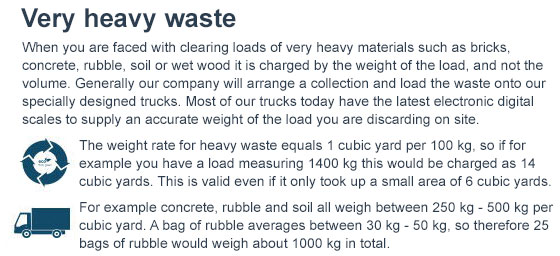
Construction and renovation projects create heavier, dustier, more awkward waste. Plasterboard, timber, tiles, and mixed rubble all need careful handling. For that reason, builders waste clearance in Knightsbridge is often the sensible route. It keeps the site safer and helps avoid a messy finish on the pavement outside.
Garden, loft, garage, and house clear-outs
These are the classic "it will only take an hour" jobs. Then the boxes appear. Then the old paint tins. Then the broken fan from 2017. A targeted service, such as garden waste removal, loft clearance, or garage clearance, can be much easier than treating it all as generic rubbish.
Step-by-Step Guidance
If you want a clean, compliant result, it helps to work through disposal in a sensible order.
- Identify the waste type. Separate household rubbish, recyclables, bulky items, garden waste, and any construction debris.
- Check what can be reused or recycled. Not everything needs to be thrown away. Some items can be passed on, repurposed, or separated for recycling.
- Break down larger items where safe. Flat-pack furniture, cardboard, and light fixtures often take less space once dismantled.
- Keep hazardous or specialist items separate. Paint, chemicals, batteries, and electrical items should not be mixed in casually.
- Choose the right collection method. For a small amount, standard disposal may be enough. For bulkier work, a dedicated collection is usually better.
- Prepare access in advance. Move items close to the exit where practical, protect hallways if needed, and make sure the route is clear.
- Schedule the collection at the right time. Weekday, evening, or weekend timings can matter depending on your building and neighbours.
- Confirm what happens after pickup. Ask how waste is sorted and whether recyclable materials are separated responsibly.
That last point is often skipped, but it should not be. Waste disposal is not only about removal; it is about where the material goes next. If you care about that side of things, recycling and sustainability is worth a look.
Expert Tips for Better Results
Here are a few things that make a real difference in Knightsbridge, especially when access is limited or the job is bigger than expected.
- Photograph the waste before booking. It helps clarify volume and avoids awkward assumptions.
- Group similar materials together. Cardboard with cardboard, wood with wood, metal with metal. Simple, but effective.
- Think in cubic space, not bag count. Ten bagged items may be easier than one oversized cabinet.
- Plan around building rules. Some properties have quiet hours, concierge protocols, or loading restrictions.
- Leave a bit of buffer time. Clear-outs nearly always take slightly longer than people expect. Always.
In our experience, the best results happen when the job is treated like a small logistics exercise, not a spontaneous tidy-up. That sounds a bit grand, maybe, but it works. A little structure goes a long way.
If your property sits on a narrower road or a busy residential street, timing becomes even more important. A collection that works at 10am may be a pain at school-run time or when local traffic is at its busiest. For those situations, the article on narrow street rubbish collection is especially relevant.
Common Mistakes to Avoid
Most disposal problems come from small misjudgements, not dramatic failures. That is the annoying part.
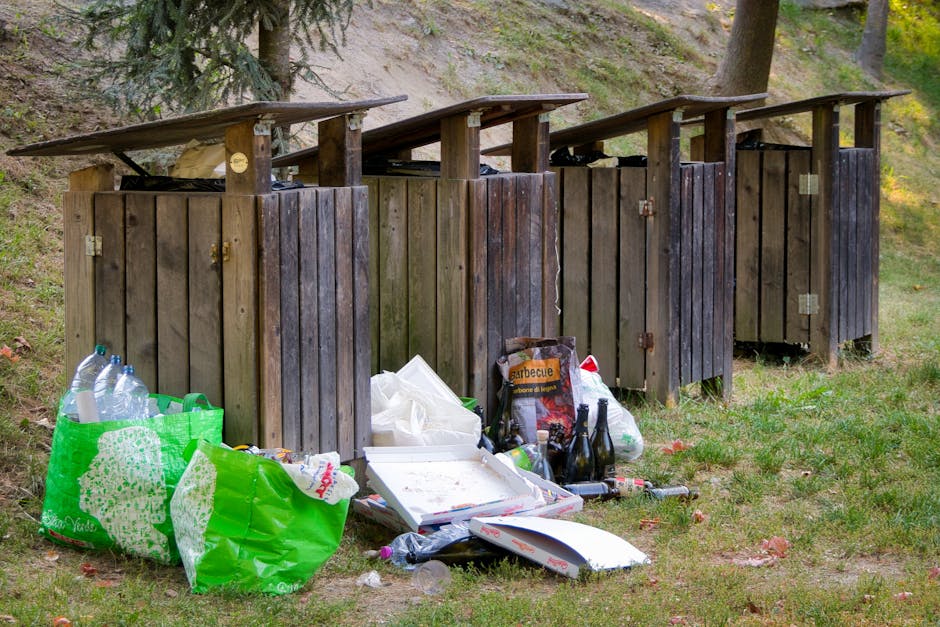
- Leaving waste out too early: This can create obstruction and, depending on the type of waste, cause complaints.
- Mixing everything together: Mixed waste is harder to handle and can reduce recycling potential.
- Underestimating volume: People often think they have "a few bits" when they actually have a van load.
- Ignoring access issues: Narrow stairs, lift restrictions, and parking can derail an otherwise simple job.
- Forgetting specialist items: Batteries, paints, and some electricals need extra care.
- Booking too late: Leaving it until the last minute usually means less choice and more stress.
A classic mistake in Knightsbridge is assuming that if rubbish is neatly bundled, it is automatically fine to leave outside. Not always. Presentation helps, but timing, location, and waste type still matter. The building manager may be calm about it. Or not. Better not to find out the hard way.
Tools, Resources and Recommendations
You do not need much specialised equipment, but a few practical tools make disposal easier:
- Heavy-duty bags: Better for sharp edges and heavier mixed waste.
- Gloves: Useful for lofts, garages, and anything dusty or awkward.
- Trolley or sack truck: Helpful for moving boxes, appliances, or furniture.
- Labels or marker pens: Good for separating recyclable, reusable, and general waste.
- Camera phone: Handy for recording the waste load before collection.
As a recommendation, use the simplest disposal route that still fits the job. If it is a small household clear-out, keep it simple. If it is a flat clearance after renovation, use something more robust. There is no prize for making life harder than necessary.
If you want a better sense of the types of jobs that can be handled in one visit, the rubbish collection option, along with junk removal and house clearance, can help you match the service to the task instead of over-ordering or under-planning.
Law, Compliance, Standards, or Best Practice
When dealing with rubbish disposal in Kensington and Chelsea, the safest approach is to follow local rules, keep waste contained, and make sure it is handled by responsible parties. The broad principles are straightforward: do not obstruct public space, do not dump waste illegally, and do not mix items in a way that creates safety or environmental problems.
For households, that usually means using bins properly and presenting waste in line with local collection expectations. For commercial premises, there is generally a higher standard of care because the waste stream is larger and the consequences of mishandling are more visible. For builders, the duty is even clearer: sites should be kept safe, access should remain manageable, and debris should not be left to drift onto pavements or shared areas.
Best practice is less about memorising every rule and more about applying common sense consistently. Keep routes clear. Store waste safely. Separate recyclable material where possible. Use the correct disposal route for specialist items. And if the job is more than a simple bin-night routine, choose a collection method that can genuinely cope with it.
If safety matters to you, which it should, then a service provider's handling standards, insurance, and site awareness are worth checking. The page on insurance and safety is a useful reminder of what responsible handling should look like.
Options, Methods, or Comparison Table
Below is a simple comparison of the most common disposal routes. It is not about right or wrong; it is about fit.
| Method | Best for | Pros | Watch out for |
|---|---|---|---|
| Standard household disposal | Small amounts of regular waste | Simple, familiar, low effort | Not suitable for bulky or specialist items |
| Recycling separation | Paper, cardboard, metal, glass, some plastics | Better environmental outcome | Needs sorting and a bit of discipline |
| Bulky-item collection | Furniture, mattresses, large household items | Reduces manual handling stress | Access and timing must be planned |
| Builders waste clearance | Renovation and contractor debris | Safer and more efficient on site | Mixed heavy waste can be awkward |
| Full property clearance | House moves, probate, end-of-tenancy jobs | Comprehensive and time-saving | Needs clear instructions and good access |
If you are unsure which method fits your situation, ask yourself one question: is this just rubbish, or is it a collection project? That small distinction saves a lot of confusion.
Case Study or Real-World Example
A typical Knightsbridge example goes like this. A resident in a mansion block wants to clear an old sofa, several bags of loft clutter, and some broken shelving after a weekend sort-out. At first, it looks manageable. By the time the items are gathered, there is dust, uneven packaging, and a tight staircase to contend with. The lift is not ideal for furniture, and the building has strict expectations about common areas.
Rather than leaving the items outside or trying to piece the job together over several days, the resident arranges a proper collection. The waste is grouped by type, access is cleared, and everything is removed in one go. The corridor stays clean. The neighbours stay happy. And the job, which could have dragged on for a week, is done before lunch.
It sounds simple after the fact. That is usually how these things go. The real win is not dramatic; it is quiet efficiency. Less mess, less stress, fewer surprises.
A similar pattern shows up in move-related clear-outs too. If you are buying or selling in the area, the practical realities of space and storage often become obvious very quickly. The article on purchasing homes in Knightsbridge also gives a useful sense of how local properties tend to work in real life.
Practical Checklist
Use this before any rubbish disposal job in Knightsbridge:
- Have I identified the waste type correctly?
- Have I separated recyclables, bulky items, and specialist waste?
- Do I know where the waste will be stored before collection?
- Is access clear for removal?
- Have I checked whether timing or building rules apply?
- Do I need a standard pickup, bulky-item removal, or full clearance?
- Have I taken photos or measurements if the job is large?
- Have I budgeted for the right level of service?
- Will anything sharp, heavy, or hazardous need special handling?
- Do I know what happens after the collection is completed?
If you can tick most of those off, you are already ahead of the game.
Conclusion
Kensington and Chelsea council rules for rubbish disposal Knightsbridge are best understood as a practical framework: keep waste contained, separate it sensibly, avoid obstruction, and choose the right disposal method for the job. In a place like Knightsbridge, where access can be awkward and standards are high, a little planning makes a big difference. It keeps the street pleasant, protects neighbour relations, and helps you avoid unnecessary stress.
The main takeaway is simple. Small jobs can often be handled with routine disposal. Bigger, mixed, or time-sensitive clear-outs need a more organised approach. Once you treat waste as a logistics task rather than a nuisance, everything gets easier. A bit less chaotic. A bit more under control. And that, honestly, feels better.
If you are planning a clearance or want help choosing the right disposal option, explore the relevant service information and make the process straightforward from the start.
Get a free quote today and see how much you can save.


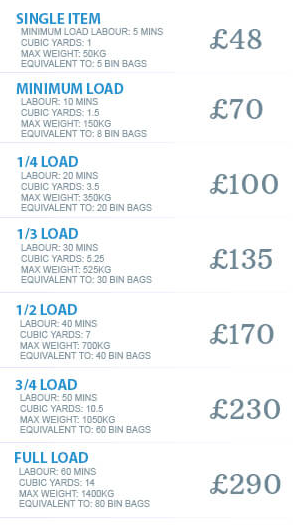
 Tipper Van - Rubbish Removal and Junk Collection Prices in Knightsbridge SW1
 Luton Van - Rubbish Removal and Junk Collection Prices in Knightsbridge SW1